
Home > Our Materials >Nickel and Its Alloys > Nickel Alloys
Nickel and Its Alloys
Nickel alloys
Chemical Industry
Maritime
Faucets and Fittings
Industrial Heating
Musical Instruments
Catalog
Available shades
Select a grade to view its complete technical data sheet: chemical composition, mechanical properties, and available shapes and dimensions.
ALLOY 718
Nickel alloy
Concept Métal, your supplier of nickel alloys
The nickel alloys are high-performance materials that maintain their properties where stainless steels reach their limits: severe corrosion, high temperatures, and creep. Designated by standardized designations (Alloy 400, 600, 625, 718, C-276), they cover a wide range of chemical compositions for the most critical applications.
What is a nickel alloy?
A nickel alloy is a metallic material in which nickel is the base element or the predominant element, combined with chromium, iron, molybdenum, or copper to achieve a specific property. Depending on the added elements, several major families can be distinguished:
- technical-grade nickel (purity >99%)— Alloy 200/201 : chemical resistance, particularly to caustic soda
- nickel-copper — Alloy 400, K-500: resistance to seawater and acids
- nickel-chromium-iron (Inconel type) — Alloy 600, 601, 800: oxidation and high temperatures
- nickel-chromium-molybdenum (Hastelloy type) — Alloy C-276, C-22, 625: resistance to the most severe corrosion
- precipitation-hardened superalloys — Alloy 718, A-286, X-750: high high-temperature mechanical strength
Learn more
The Properties of Nickel Alloys
Corrosion Resistance
This is the key property of many nickel alloys. Nickel-copper (Alloy 400) and nickel-chromium-molybdenum (Alloy C-276) alloys are resistant to acids, chlorides, and seawater—conditions in which stainless steel is quickly corroded. They are also found in the form of cupronickel for marine heat exchangers.
High-Temperature Resistance
Nickel-chromium-iron alloys (Alloys 600, 601, 800) retain their resistance to oxidation and their stability under thermal cycling, making them indispensable for furnaces and equipment exposed to heat.
Mechanical Strength at Elevated Temperatures
Age-hardened superalloys such as Alloy 718 maintain high mechanical strength and good creep resistance at high temperatures, making them ideal for parts subjected to the most severe loads. These grades are well-suited for the manufacture of custom-made .
What are the industrial applications for nickel alloys?
Because of their resistance to extreme environments, nickel alloys are used in many industries to manufacture:
- Heat exchangers, reactors, and piping for the chemical and petrochemical industries
- Fittings and Valves for Corrosive Environments
- heating elements and industrial furnace parts
- Marine and Offshore Equipment
- components for the energy and nuclear industries
Applications
- Chemical Industry
- Maritime
- Faucets and Fittings
- Industrial Heating
- Musical Instruments
Available Sizes
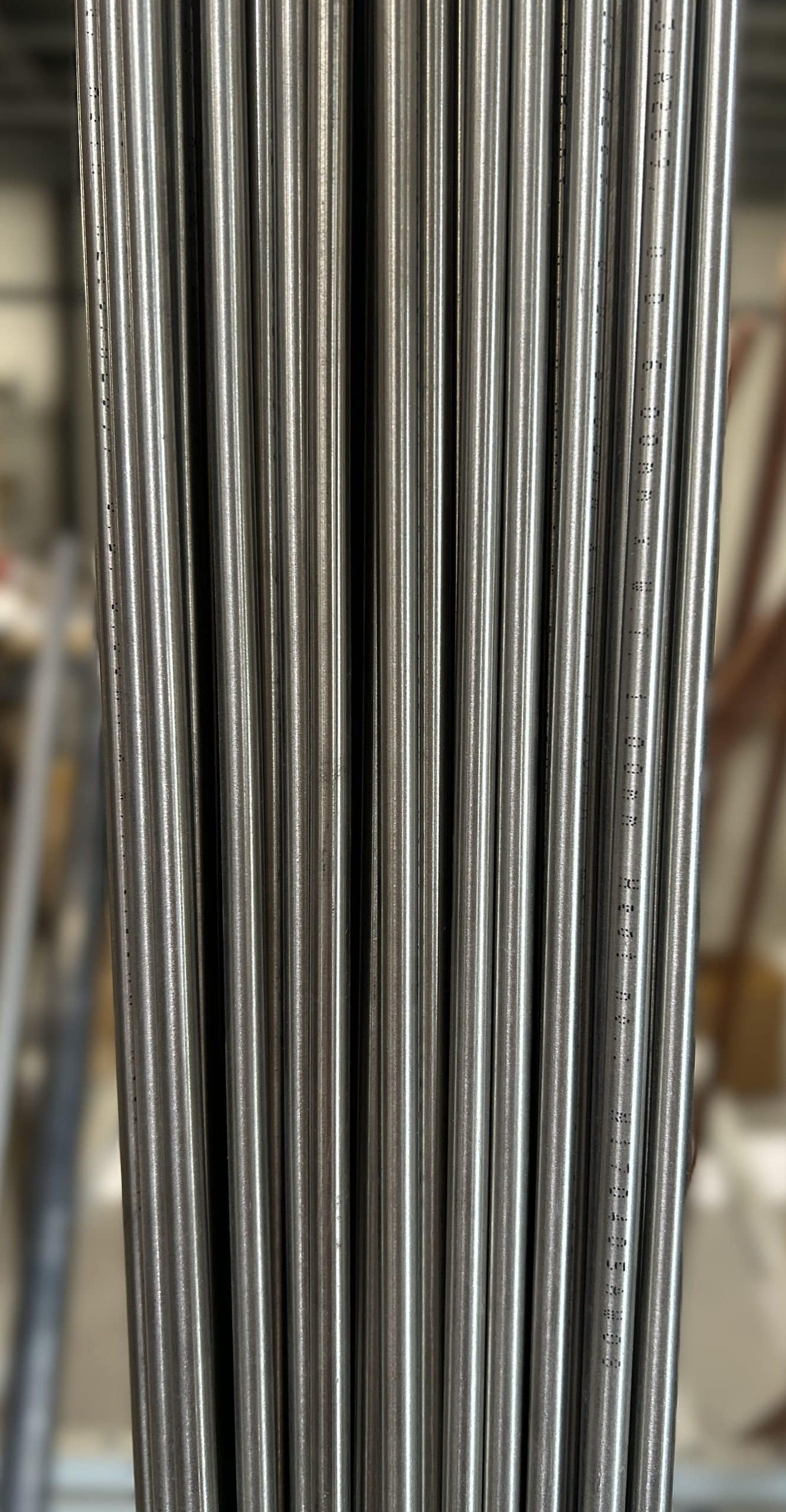
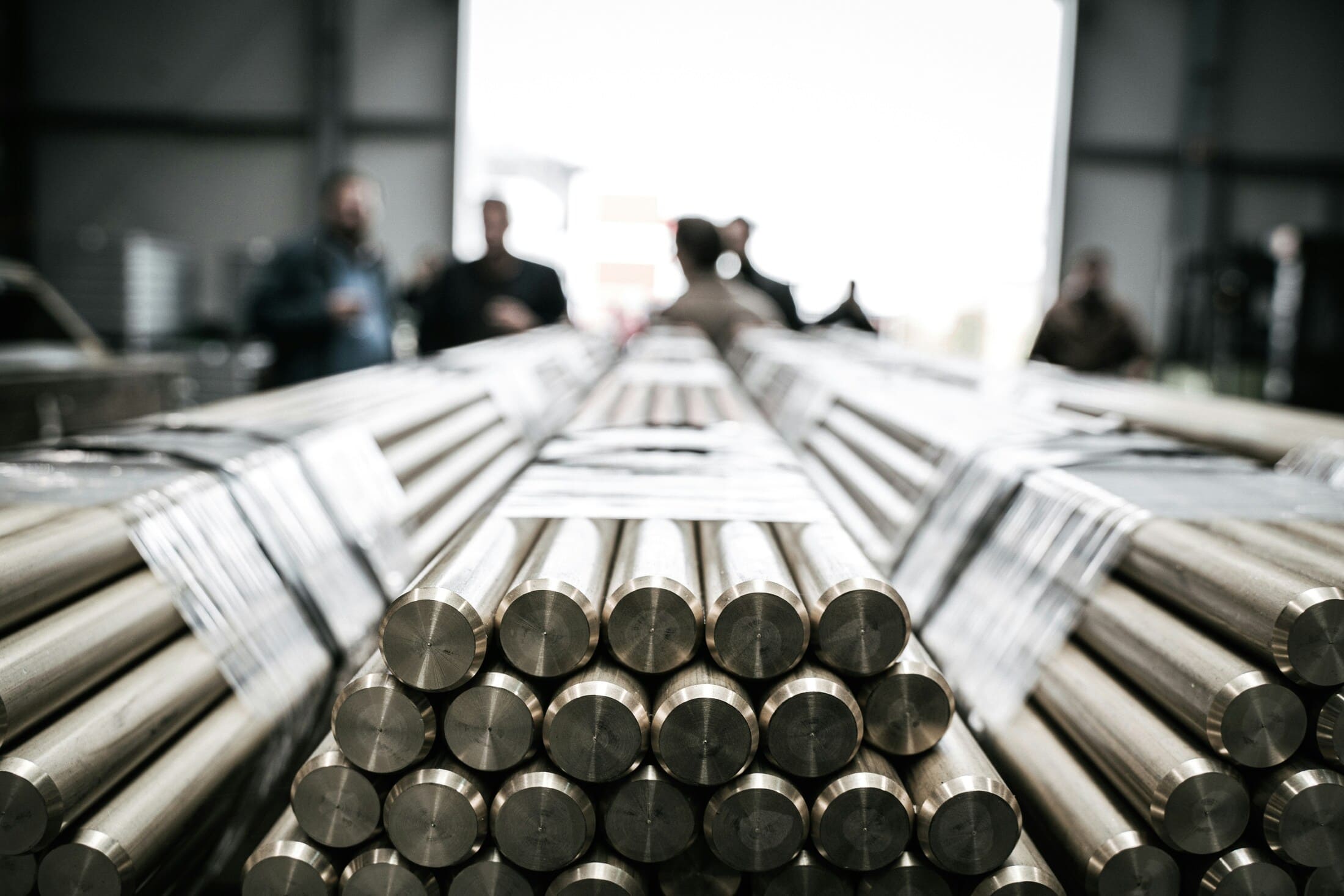
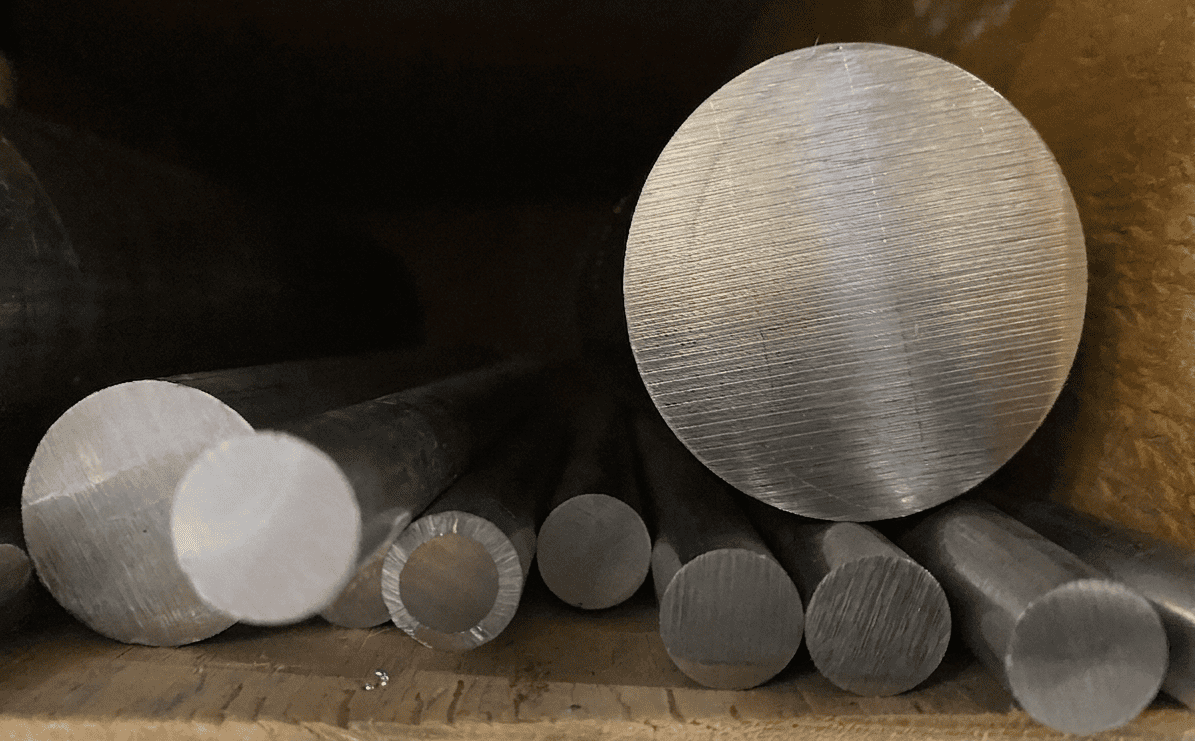
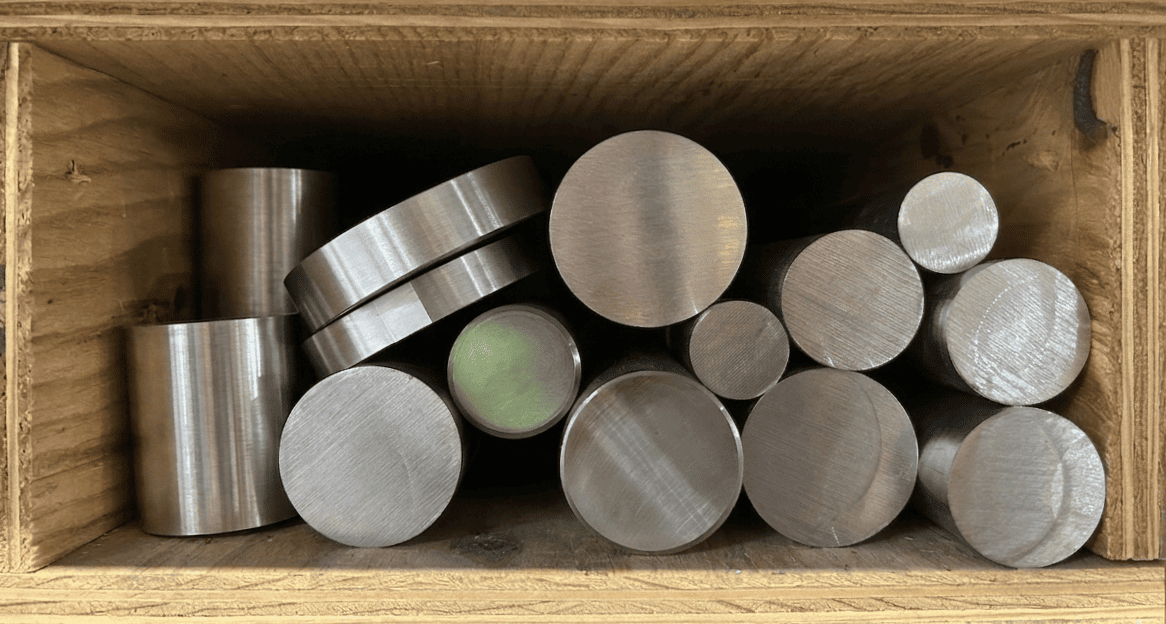
- Round bars
- Tubes
- Plates
- Strips
- Custom-made: blanks, blocks, discs (forged), parts made to specifications
Gallery
Is your shade not listed?
Our teams can source specific grades or those that are hard to find on the market. Contact us with your designation or standard.