
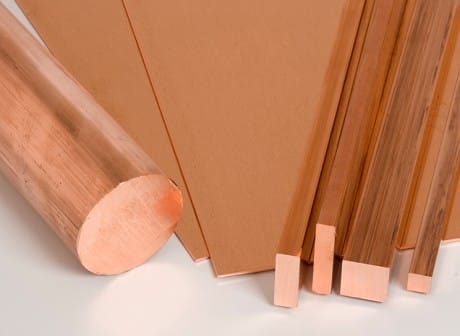
- Precious metals such as silver, platinum, and gold
- Copper and its alloys, such as bronze and brass
- Nickel, Palladium, and Platinum
- Titanium
With such a wide range of materials in this group, many of the mechanical properties that make iron a preferred choice can also be found in nonferrous metals. For example, aluminum or titanium alloys could replace steel in many applications if their price were not so exorbitant. The magnetic properties of iron could be replicated using nickel, cobalt, or rare-earth elements alloyed with other metals.
However, because nonferrous metals are often more expensive, they tend to be chosen for their unique properties (corrosion resistance, electrical and thermal conductivity, light weight, nonmagnetic nature, etc.) over steel. Some metals are highly sought after due to their rarity: before aluminum production became widespread, aluminum was a luxury metal used in high-end tableware.
There are three notable non-ferrous casting metals.
Copper and Its Alloys
Copper and its alloys—brass (copper and zinc) and bronze (copper and tin)—have a variety of uses in many industries. This is due to their high electrical conductivity, ductility, thermal conductivity, and corrosion resistance. When unalloyed, copper is soft and ductile.
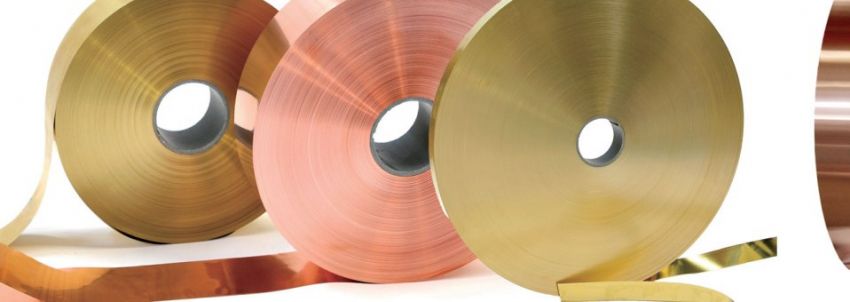
These properties make copper and its alloys well-suited for the manufacture of heating vessels and heat exchangers. Its high electrical conductivity makes it ideal for motors and wiring. In addition, copper is used in the production of plumbing fittings, roofing materials, statues, and kitchen utensils.
On the other hand, copper is quite expensive, and wires made from this material are generally prone to corrosion. It also loses its shape because the material is soft.
Bronze and brass were the first metals cast by humankind during the Bronze Age, and these copper alloys are still sand-cast today. They melt at much lower temperatures than ferrous materials and reproduce fine details well, so they are often used in decorative applications such as statuary. Bronze and brass are softer than steel but are still resistant to corrosion even in the presence of salt, so these metals are used in standard marine applications such as fittings on boats. Brass is also resistant to “irritants,” which refer to wear caused by metal rubbing against itself. For this reason, brass is sometimes cast for mechanical parts, such as marine propellers, or machined for ball bearings and zippers. Both alloys are quite expensive because they rely on copper, a metal that is also in high demand for its electrical properties.
Nickel
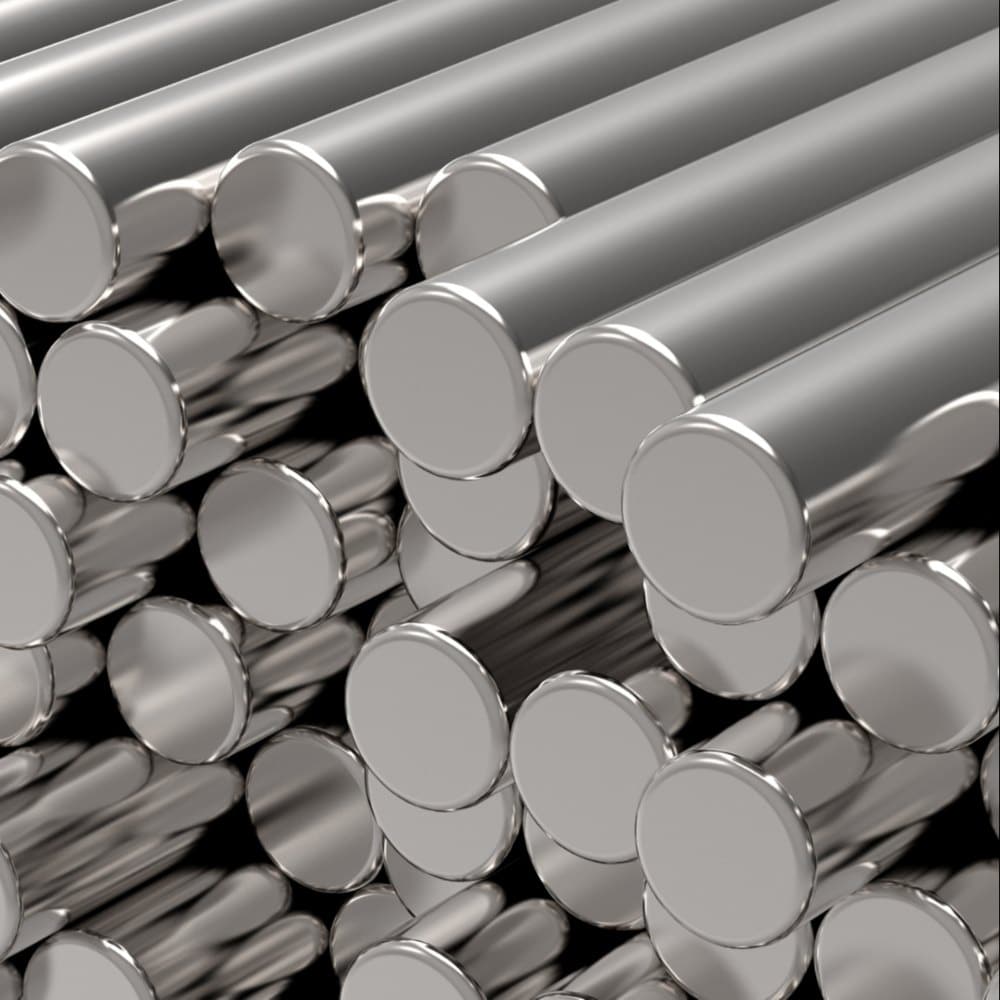
Nickel is another common non-ferrous metal. The properties of this silvery metal include corrosion resistance, toughness, and temperature tolerance. Although this metal exists in its pure form, that form has very few applications. However, it acquires excellent mechanical and chemical properties when alloyed with other elements. This makes it suitable for use in the hot sections of aircraft, automobiles, and marine equipment, as well as in the production of cryogenic equipment. Furthermore, nickel can resist corrosion even at high temperatures, making it a good material for producing nails, pipes, and armor.
Titanium
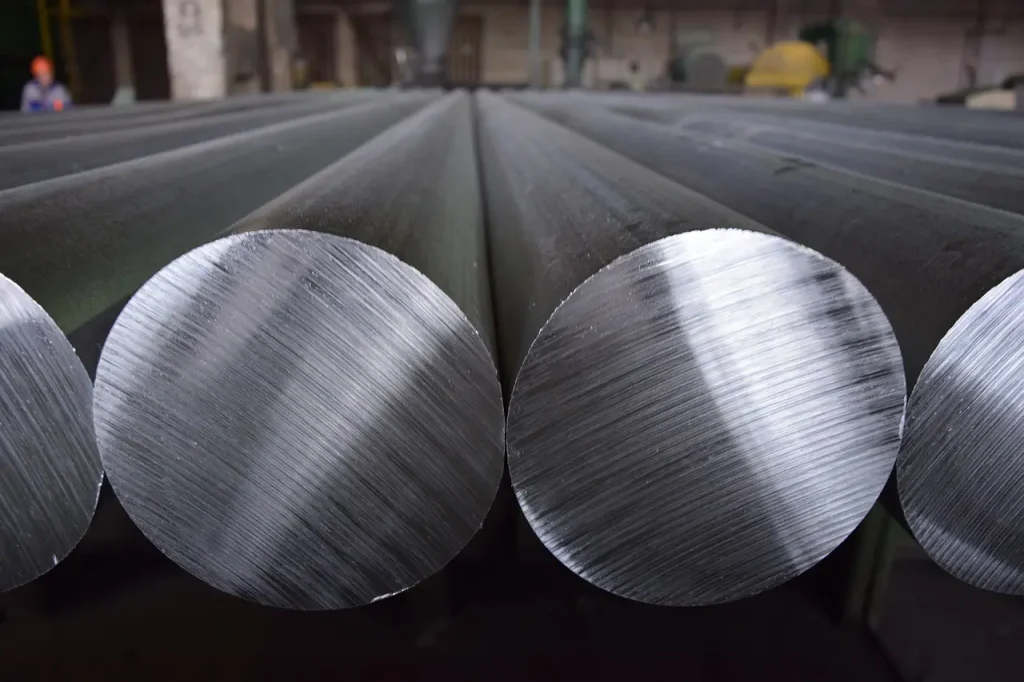
This metal has an excellent strength-to-density ratio as well as corrosion resistance. An alloy of this metal with aluminum and iron creates a lightweight yet strong metal. On its own, titanium is comparable to certain steels, although it is less dense. This metal has applications in several industries, including agriculture, medicine, sports, the military, aerospace, and the automotive industry.
Money
Silver is a relatively soft metal with a lustrous, shiny appearance. It has the highest thermal and electrical conductivity of any metal, is highly malleable, and is resistant to corrosion. Silver is used in many industries, from solar technology and electronics to brazing and welding. Other applications of silver include motor bearings, currency, water purification, tableware, medicine, and jewelry. However, it has the lowest contact resistance of all metals.