
Home > Our Materials >Nickel and Its Alloys > Copper-Nickel
Nickel and Its Alloys
Copper-nickel
Chemical Industry
Maritime
Faucets and Fittings
Industrial Heating
Musical Instruments
Catalog
Available shades
Select a grade to view its complete technical data sheet: chemical composition, mechanical properties, and available shapes and dimensions.
CuNi10Fe1Mn
Copper-nickel
CuNi30Mn1Fe
Copper-nickel
The copper-nickel is one of those alloys that are particularly valued in environments that require resistance to corrosion, erosion, or thermal stress.
As its name suggests, cupronickel is an alloy composed of copper and nickel, identified by the chemical symbol CuNi.
The combination of these two metals results in a material that is stable, durable, and resistant to harsh operating conditions.
Copper-nickel is one of the engineering alloys used in applications ranging fromthe to industrial equipment.
What is a copper-nickel alloy?
Copper-nickel exists in several forms, depending on the proportions of copper and nickel used and on the additional elements incorporated into the alloy.
- the binary copper-nickel alloys, consisting mainly of copper and nickel
- the enriched cupronickel alloys, in which other metallic elements are added to improve certain properties.
Some of the most common shades used in the industry include:
- CuNi10Fe1Mn
- CuNi30Mn1Fe
In these designations, the numbers indicate the proportion of nickel present in the alloy. For example, in the CuNi10Fe1Mn grade, the material contains about 10% nickel, while CuNi30Mn1Fe contains about 30%.
Adding elements such as iron or manganese can improve certain mechanical properties or increase the alloy’s resistance in specific environments.
Learn more
A material that is naturally resistant to marine corrosion
One of the most remarkable characteristics of cupronickel is its ability to withstand marine environments. Saltwater is, in fact, a particularly corrosive environment for many metals, causing corrosion and the gradual deterioration of components.
The copper-nickel alloys offer excellent resistance to corrosion and marine erosion and also possess an interesting property: natural antifouling behavior.
This means that surfaces made of cupronickel limit the attachment of marine organisms such as algae or shellfish.
In marine applications, this property helps reduce fouling on metal surfaces and maintain their performance over time.
Applications that extend far beyond the maritime sector
The properties of this alloy make it suitable for use in many industrial sectors:
- certain maritime equipment and structures exposed to seawater
- the manufacture of coins (such as our 1- and 2-euro coins, for example)
- of automotive components, particularly in certain battery-related technologies
- thermal equipment such as heat exchangers or condensers
- the manufacture of ducts and piping for building services
Good thermal stability
In addition to its corrosion-resistant properties, cupronickel retains its mechanical and structural properties at temperatures of up to approximately 400 °C.
Because of this characteristic, it is used in industrial facilities where metal parts are exposed to high temperatures or significant temperature fluctuations.
When the copper content in the alloy is high, this thermal stability is further enhanced, which may be desirable in certain technical applications.
Concept Métal Promoting the Use of Engineering Alloys in Industrial Projects
At Concept Métal, metal alloys are viewed as technical solutions designed to meet specific industrial requirements.
Working with a material such as cupronickel requires a good understanding of its properties and how it behaves during machining or forming processes.
The goal is to transform a metallurgical alloy into a functional component suited to your actual operating conditions.
Let's explore the feasibility of your project
Every industrial application has its own constraints: corrosive environments, temperature, mechanical stresses, or expected service life.
If your project requires the use ofengineering alloys such as cupronickel, the Concept Métal team Concept Métal assist you in evaluating suitable metallurgical solutions.
Contact us to discuss your project and identify the most suitable material for your application.
Applications
- Chemical Industry
- Maritime
- Faucets and Fittings
- Industrial Heating
- Musical Instruments
Available Sizes
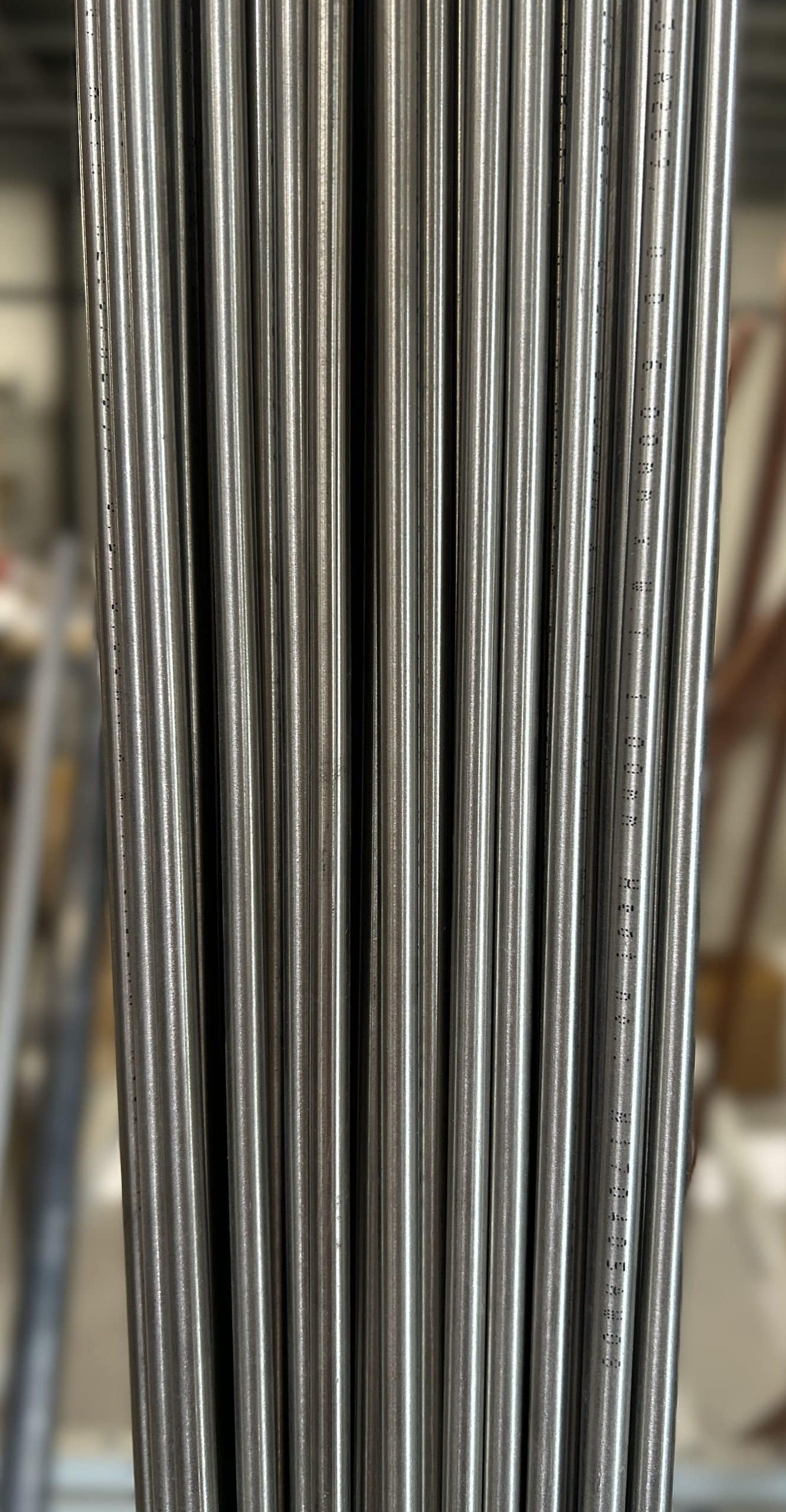
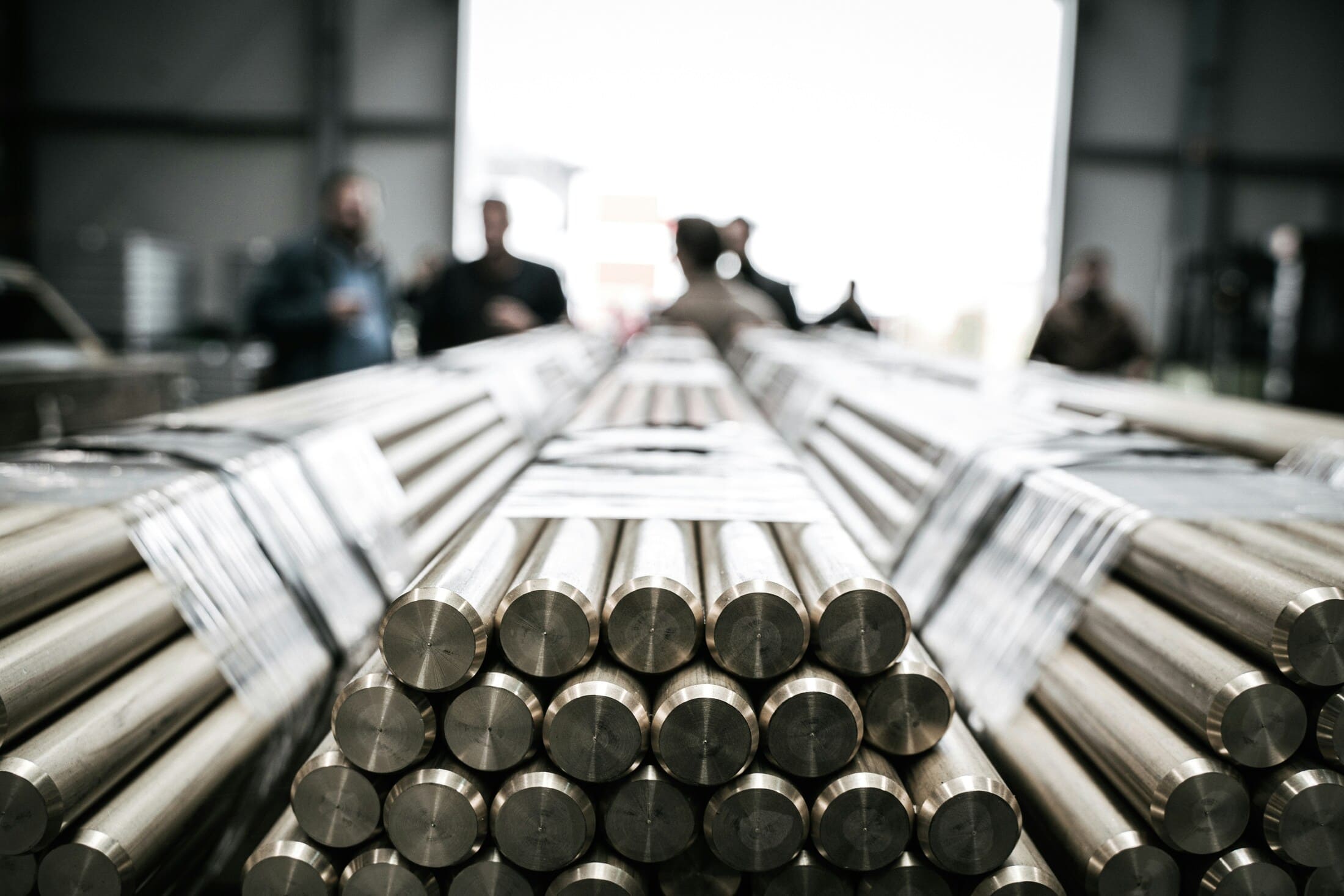
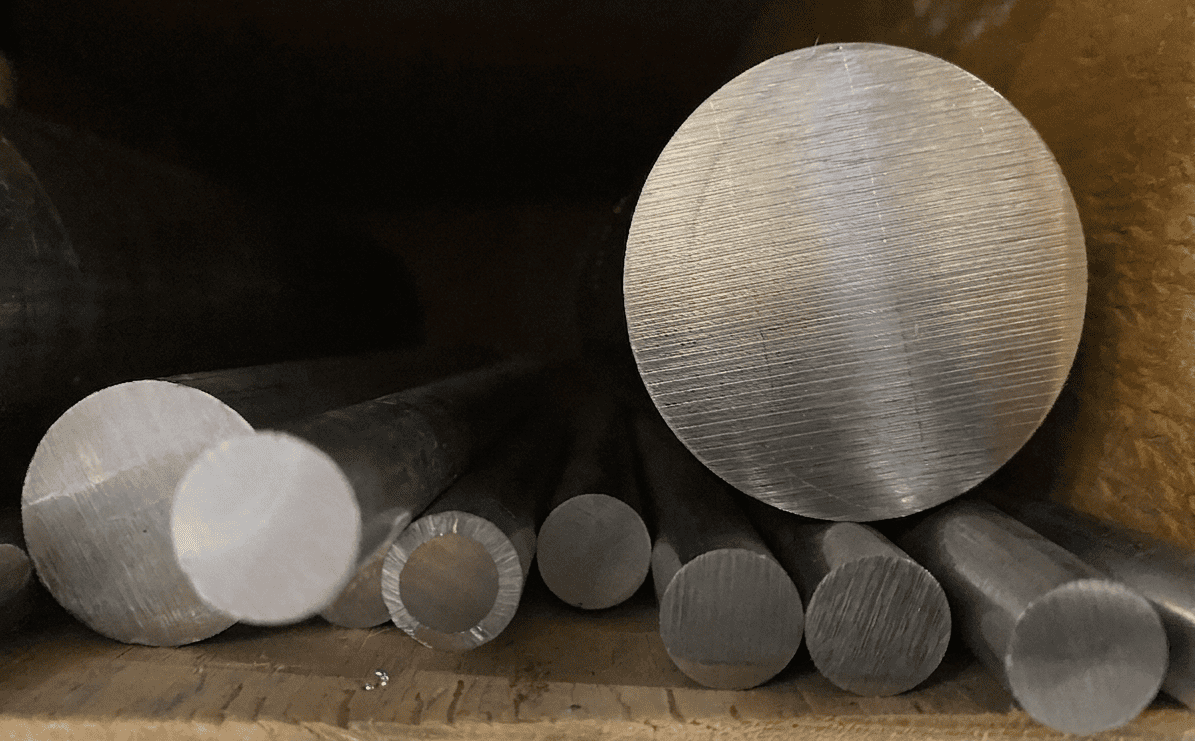
- Round bars
- Flat-bottomed
- Plates
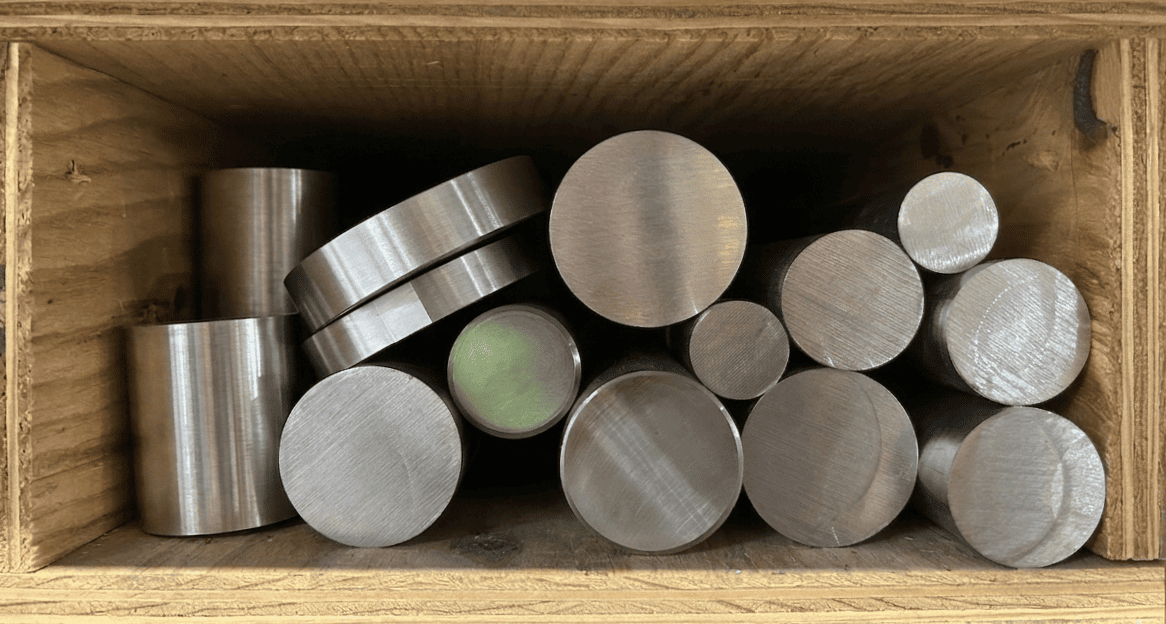
- Custom-made: blanks, blocks, discs, parts made to specifications
Gallery
Is your shade not listed?
Our teams can source specific grades or those that are hard to find on the market. Contact us with your designation or standard.