
Ferrous metals are defined as metals that contain iron. Nonferrous metals do not contain iron.
Ferrous Metals and Their Properties
The unique characteristics of iron are its density, its strength when combined with carbon, its abundance and ease of refining, its high susceptibility to corrosion, and its magnetism. Alloying iron with other elements in varying proportions can reduce or eliminate one or more of these characteristics.
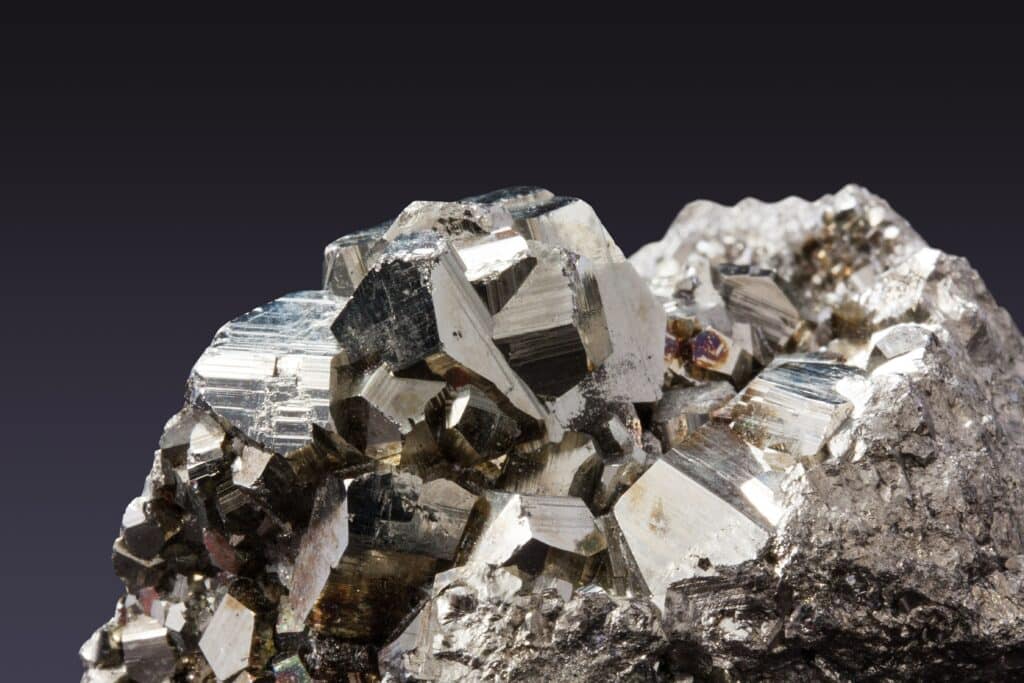
Hundreds of ferrous alloys are well known. They are defined by the proportions of each element in their composition, as well as specifications regarding their casting and finishing. Ferrous alloys containing carbon are generally referred to as iron or steel and may contain a number of other elements, from aluminum to vanadium, depending on their specifications. These metals are generally selected for theirmechanical properties. Engineers and designers may be interested in their tensile strength, toughness, ductility, weldability, elasticity, shear strength, and thermal expansion—properties that describe how a material will behave under specific stress conditions.
These distinctive properties of iron can be altered in alloys, which combine iron with other elements. Stainless steel is a good example, as some stainless steel alloys are both nonmagnetic and corrosion-resistant. A common way to tell if a metal is steel is to hold a magnet against it, since the iron in the alloy will cause the magnet to stick; However, people who have tried to stick magnets to their stainless steel refrigerators know that this is not a foolproof test. Although iron is still present in this ferrous alloy, a high percentage of nickel can alter the steel’s microstructure enough to prevent a magnetic reaction. Furthermore, stainless steel does not corrode like other iron alloys thanks to the addition of chromium. Chromium protects against rust through a process called passivation, in which the top molecules of the metal oxidize but remain strongly bonded to the metal beneath, creating an impenetrable barrier.
Nonferrous Metals and Their Uses
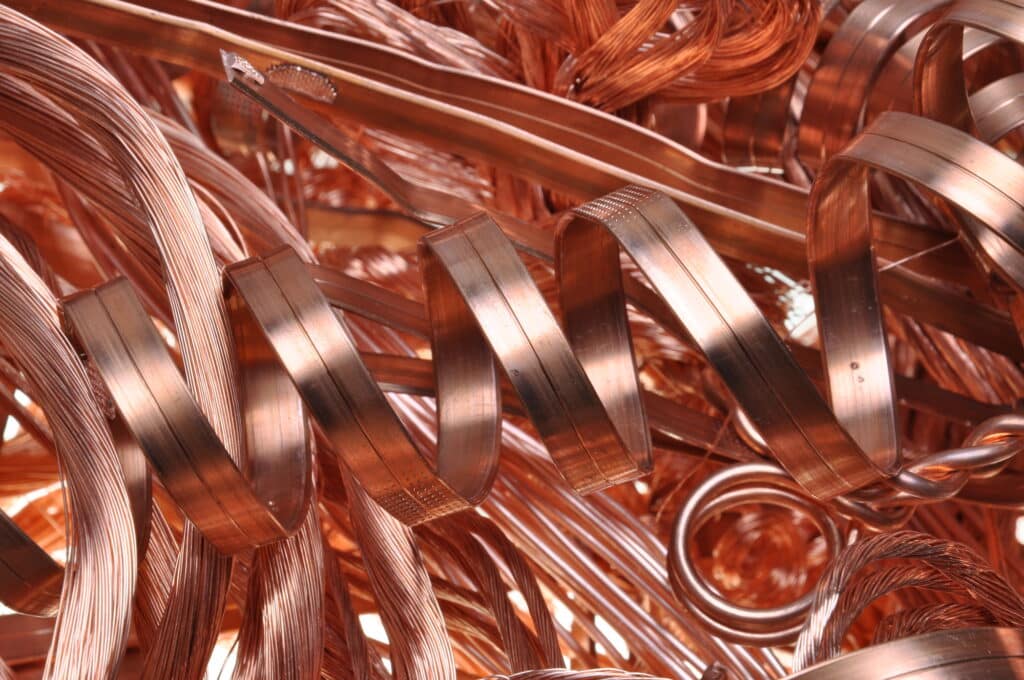
One of the first non-ferrous metals discovered by humans was copper, which marked the beginning of the Copper Age. Furthermore, in order to make the most of this metal, humans had to learn the art of forging and casting. Its low melting point and ease of fabrication made copper the metal of choice for humans.
The Bronze Age quickly followed the Copper Age when humans discovered that they could alloy copper with tin to produce bronze. Humans have been using nonferrous metals longer than their ferrous counterparts. In fact, around 5000 B.C., humans developed a technique for making bronze. This technique involved smelting and alloying copper with other metals such as tin and arsenic. The onset of this smelting and alloying period brought the Stone Age to an end, marking the beginning of the Bronze Age.
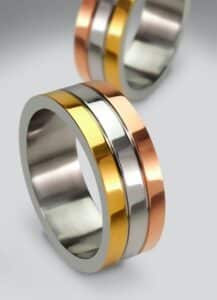
The other nonferrous metals discovered are gold and silver. These metals replaced wood and stone as materials for human adornment. However, because these metals are rare, they are used to make luxury items.
Today, we use nonferrous metals to make tools, vehicle engines, pipelines, cutlery, electrical cables, ornaments, and much more.
All nonferrous metals share certain properties.
Let's take a look at these properties:
- High resistance to corrosion and rust:Nonferrous metalsdo not contain significant amounts of iron, which makes them highly resistant to rust and corrosion. This makes them ideal for use in gutters, roofs, and other applications that involve exposure to the elements.
- Non-magnetic:This type of metal is non-magnetic, making it ideal for wiring and electronics.
- Lightweight:These metals are often lighter than ferrous metals. The difference in weight is due to the difference in carbon content between the two types of metals. However, it’s important to note that not all non-ferrous metals are lightweight. Some metals, such as osmium, lead, and tungsten, are heavier and denser than ferrous metals like steel.
- Price:If you want to use nonferrous metals for manufacturing, be aware that they are more expensive than their ferrous counterparts. There are two main reasons for this higher cost. The first is the supply and demand for these metals. Demand for nonferrous metals exceeds supply, making them quite expensive to purchase. The other reason is that they are used in a variety of industries, ranging from automotive and aerospace to engineering and construction. This means that many industries are seeking these metals, for which supply is limited, driving up their prices.
- Recyclability:All types of metals are recyclable. Nonferrous metals can be recycled individually with minimal risk of degradation compared to ferrous metals. They also retain their chemical properties during the process. It is important to recycle these metals because they are not readily available. Another reason to recycle is that the process reduces waste and protects the environment. It does this by saving energy during extraction from natural sources and reducing the greenhouse gas emissions that would otherwise occur during the extraction process.