
Home > Our Materials >Copper Alloys > Brass
Copper Alloys
Brass
Electrical Industry
Building
Bar Turning
Catalog
Available shades
Select a grade to view its complete technical data sheet: chemical composition, mechanical properties, and available shapes and dimensions.
Concept Métal, Your Brass Supplier
Brass is thecopper alloy most widely used in industry: copper and zinc are combined to offer an excellent balance between machinability, corrosion resistance, and aesthetic qualities. From precision bar turning to plumbing fixtures and electrical connectors, brass is suitable for a wide variety of applications.
What is brass?
The brass is a metal alloy in which copper is the base element, combined with zinc in varying proportions (generally 5 to 45%). The addition of lead, tin, or aluminum allows its machinability or formability to be adjusted; for applications subject to high mechanical stresses, HR brass.
The shades of brass have the following characteristics:
- excellent suitability for bar turning and hot forging
- good resistance to atmospheric corrosion and water
- a golden hue that is highly sought after in interior design and plumbing fixtures
- satisfactory electrical and thermal conductivity
Depending on the grade selected: CuZn39Pb3, CuZn37, CuZn42, CuZn38Pb2 or CuZn40Pb2, brass prioritizes either machinability or formability, depending on the application.
Learn more
The Properties of Brass
Machinability and Bar Turning
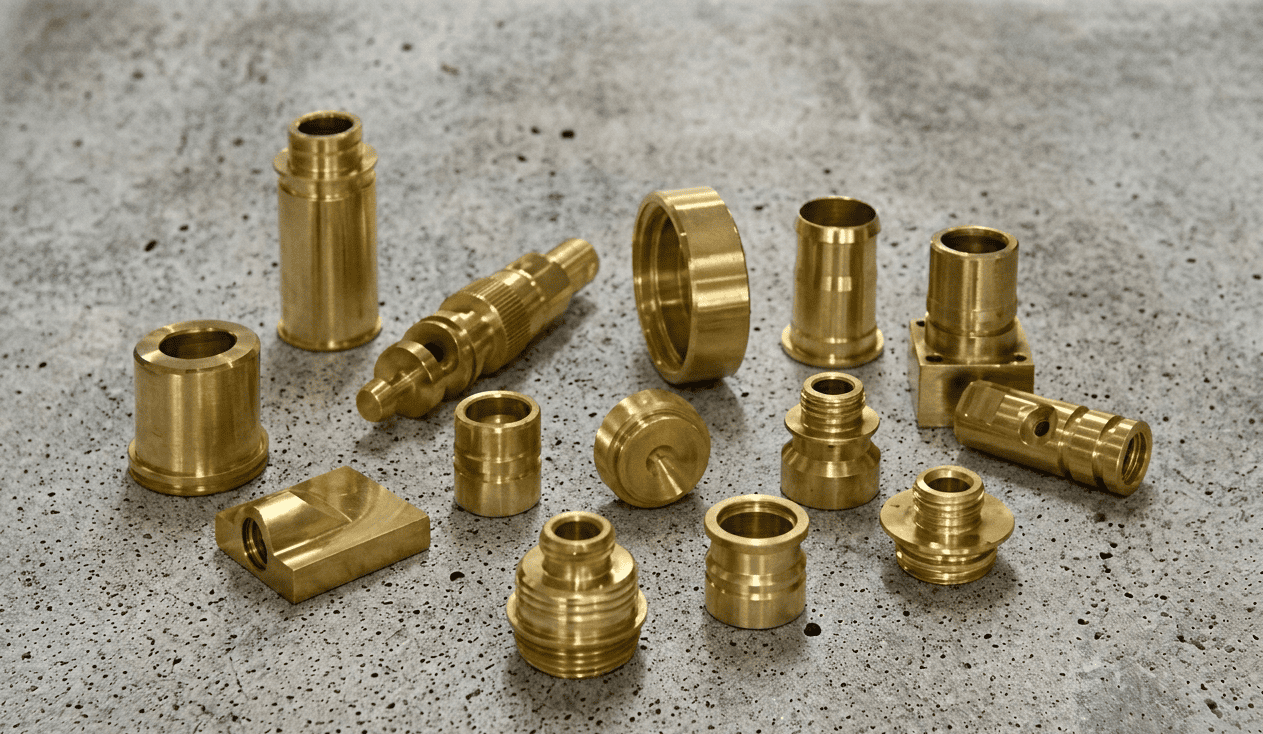
The brass is one of the easiest metals to machine. Lead-containing grades such as CuZn39Pb3 , are well-suited for high-speed bar turning on automatic lathes and for the production of custom parts, with fragmented chips and an excellent surface finish.
Corrosion Resistance
The brass is highly resistant to atmospheric corrosion, fresh water, and many fluids, which explains its use in valves and plumbing fixtures. In harsh environments, specific grades help limit the risk of dezincification.
Conductivity
Less conductive than pure copper, brass nevertheless retains sufficient electrical and thermal conductivity for connectors, contacts, and common electrical components.
What are the industrial applications for brass?
Because of its versatility and ease of machining, brass is used in many industries to manufacture:
- turned parts: screws, nuts, pins, and fittings
- Faucets, valves, and plumbing fixtures
- Contacts and Connectors for the Electrical Industry
- hardware, locksmith services, and building hardware
- decorative items and trim pieces
Applications
- Electrical Industry
- Building
- Bar Turning
Available Sizes
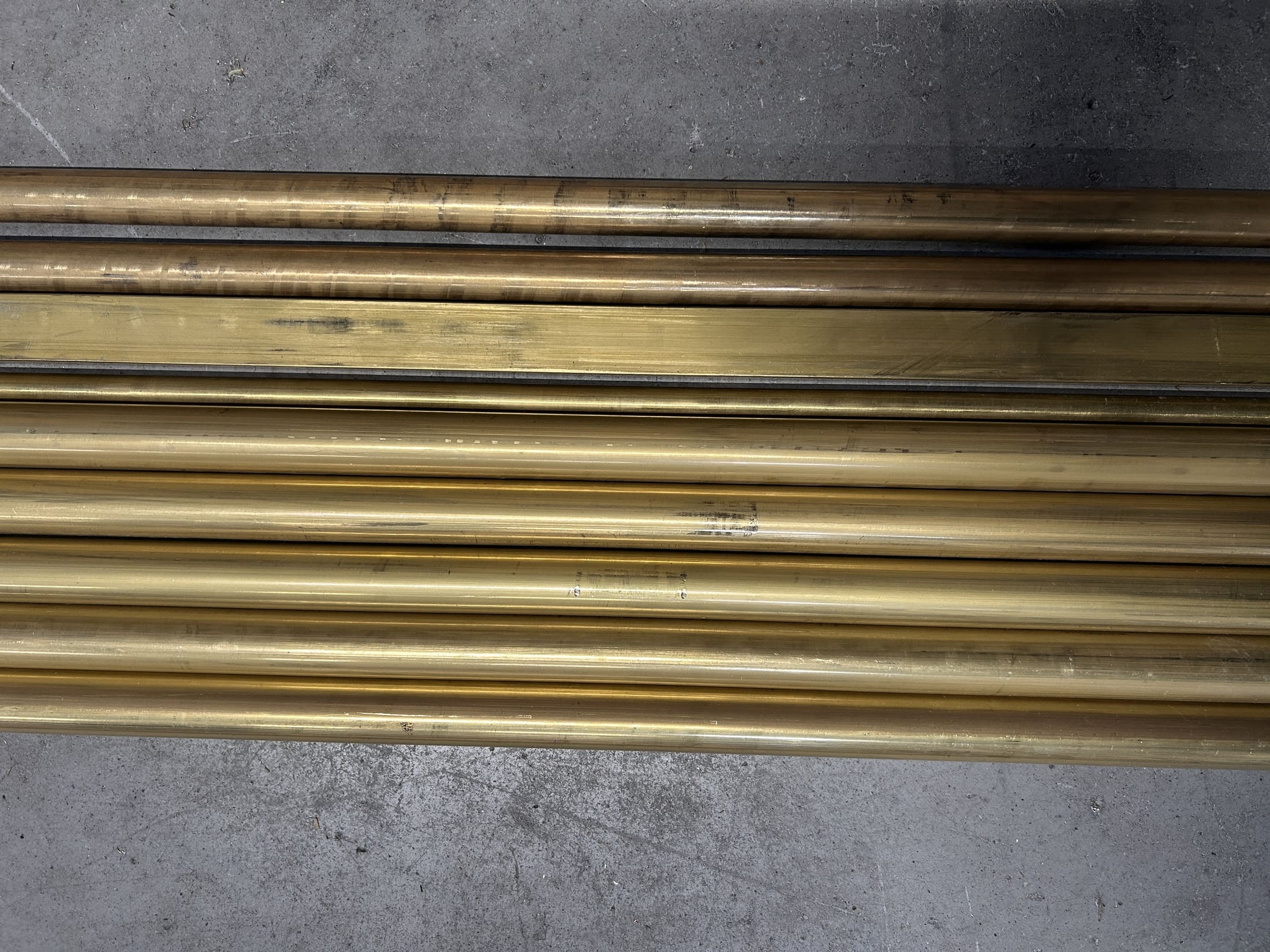
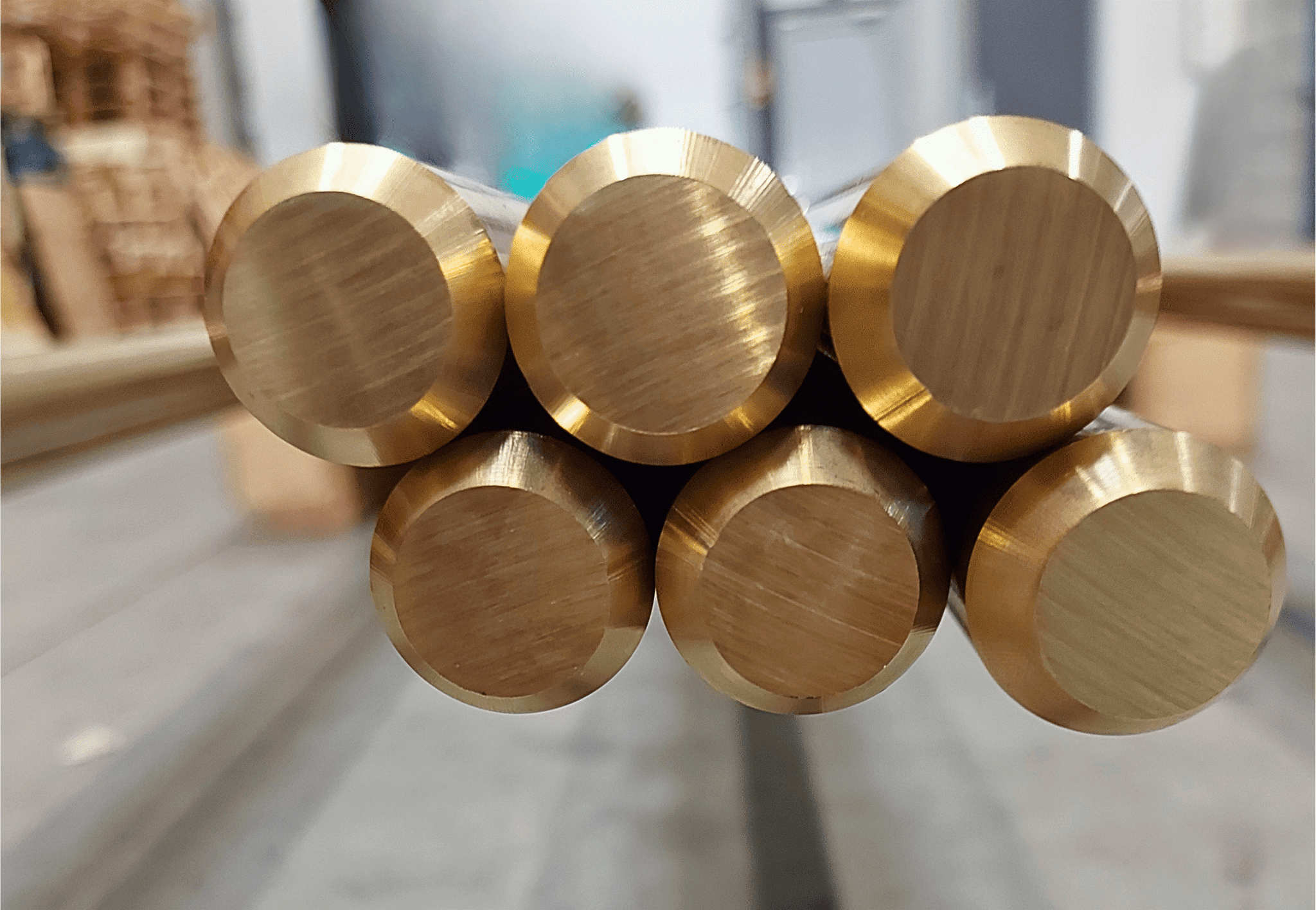
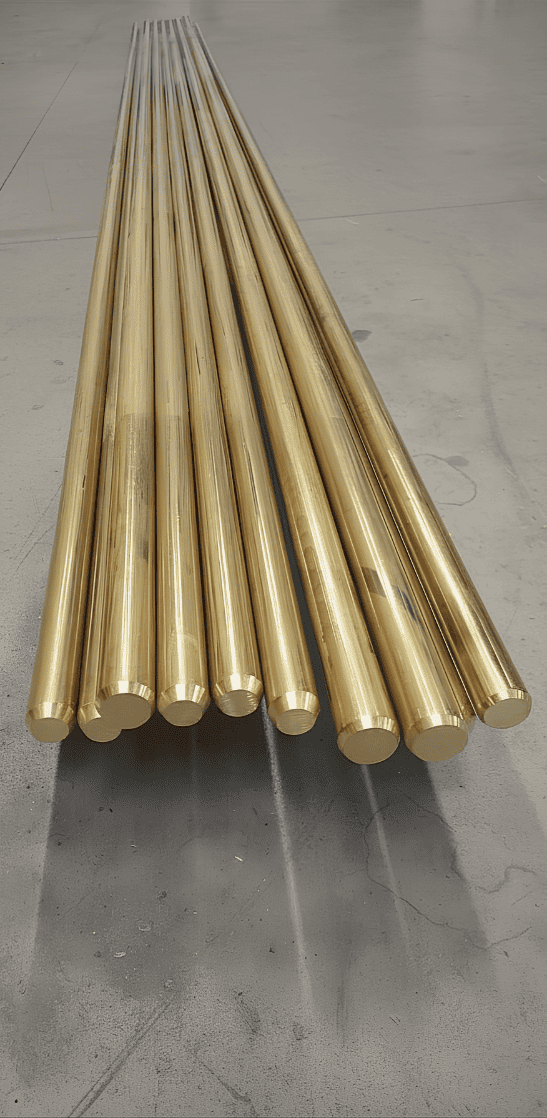
- Round bars
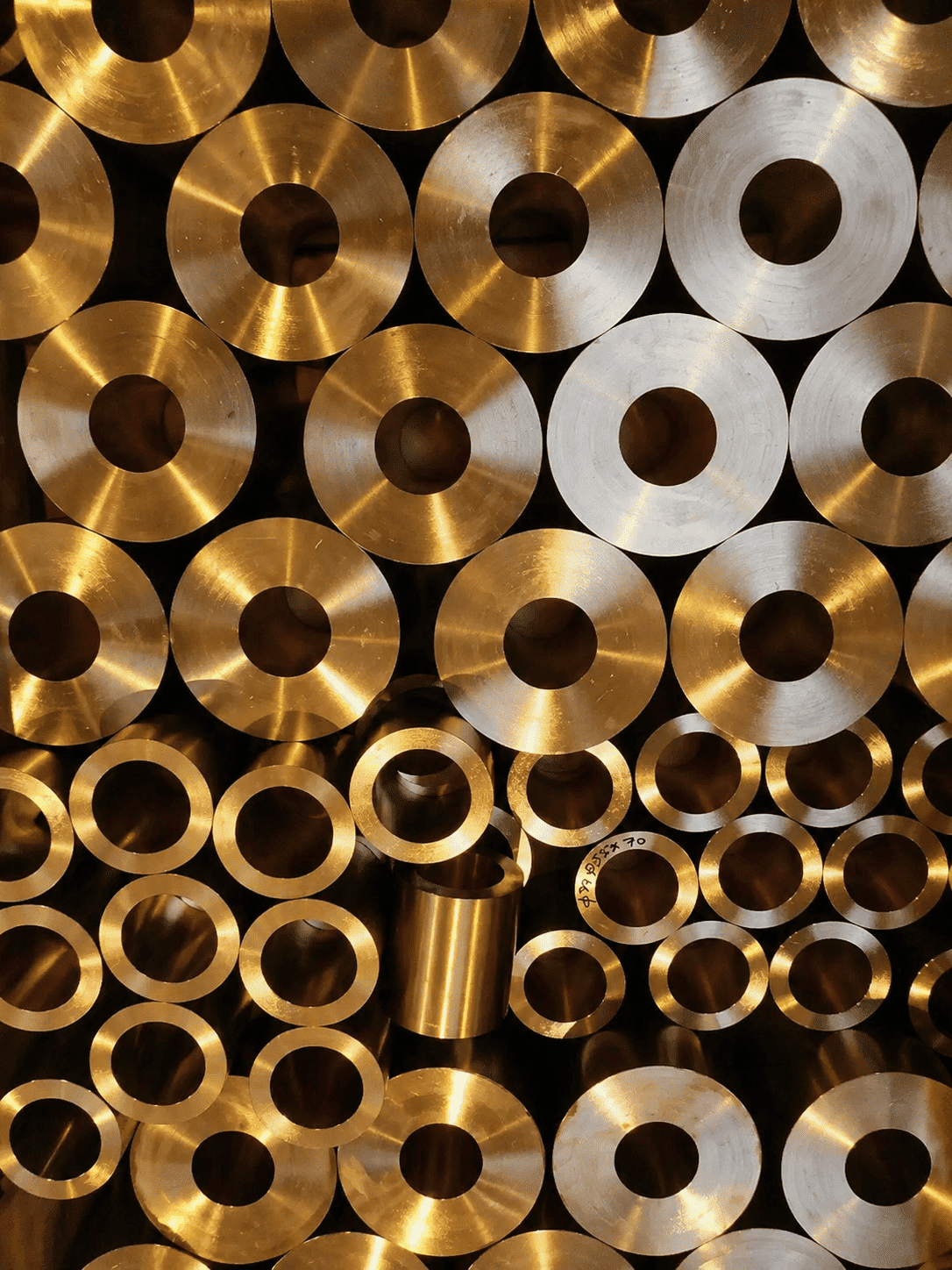
- Tubes
- Flat-bottomed
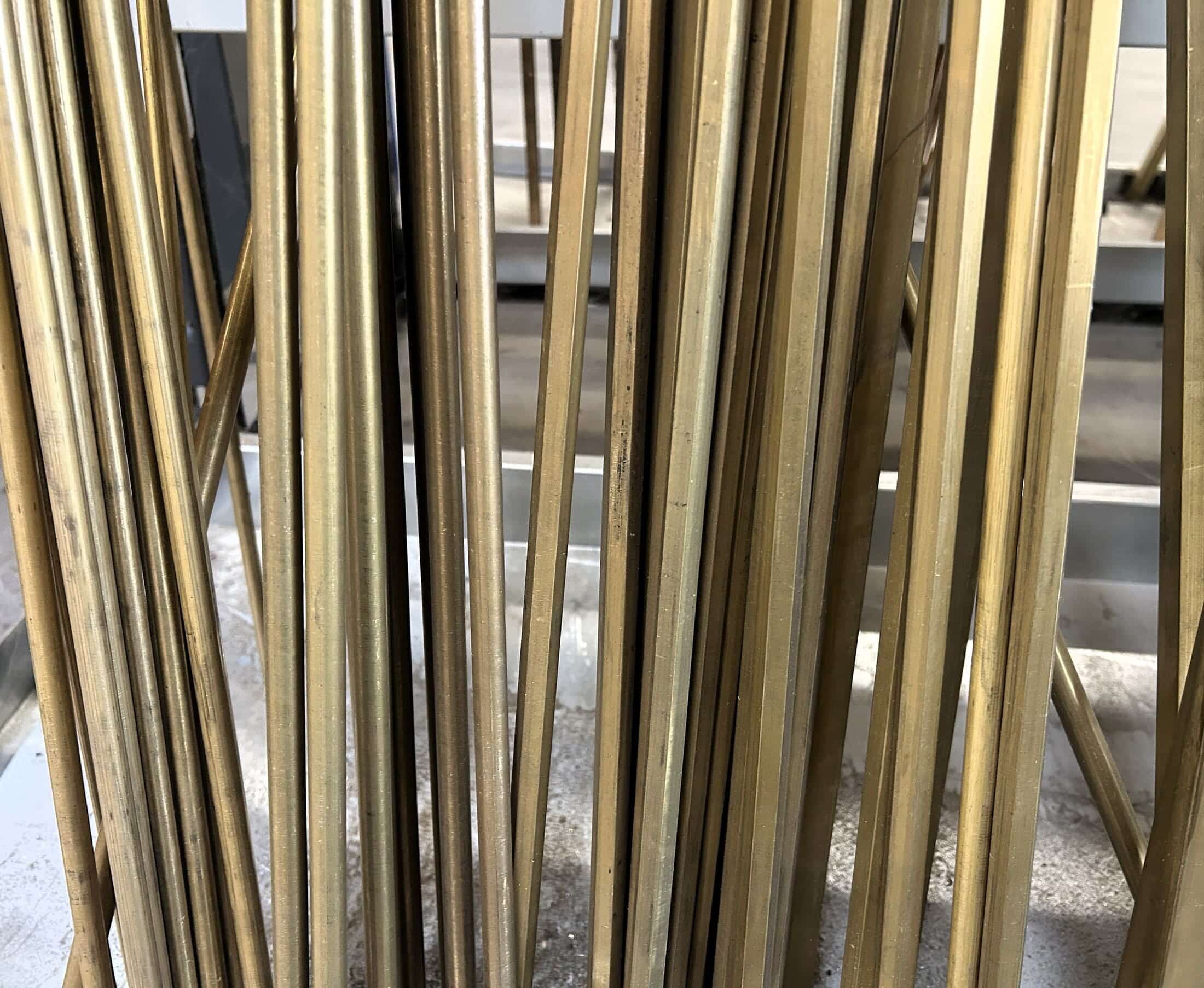
- Hexagonal bars
- Plates
- Custom-made: blanks, blocks, discs, parts made to specifications
Gallery
Is your shade not listed?
Our teams can source specific grades or those that are hard to find on the market. Contact us with your designation or standard.