
Home > Our Materials >Copper Alloys > Bronze
Copper Alloys
Bronze
Automotive Industry
Oil Industry
Maritime Industry
Catalog
Available shades
Select a grade to view its complete technical data sheet: chemical composition, mechanical properties, and available shapes and dimensions.
Concept Métal, Your Bronze Supplier
The bronze is a copper and tin, known for its wear resistance, friction properties, and corrosion resistance. As the material of choice for moving parts, bronze is used wherever two surfaces rub against each other: bushings, bearings, bearing shells, and gears.
What is bronze?
The bronze is a metal alloy in which copper is the base element, combined primarily with tin, and sometimes supplemented with lead, zinc, nickel, or phosphorus to adjust its properties.
Shades of bronze include:
- excellent resistance to wear and friction
- good resistance to loads and impacts
- corrosion resistance, including in marine environments
- good casting and molding properties
Depending on the selected alloy: CuSn8/P and CuSn12/P (phosphor bronze) or CuSn10Pb10, CuSn7Zn4Pb7and CuSn5Pb20 (lead bronzes), bronze prioritizes either mechanical strength or friction resistance. For high-stress seawater applications, one would turn to copper-aluminum.
Learn more
The Properties of Bronze
Resistance to wear and friction
This is the defining characteristic of bronze. When used as a friction material against steel, it withstands high speeds and loads while protecting the parts it comes into contact with, thereby extending the service life of mechanical assemblies.
Mechanical and Load Resistance
The bronze retains its strength and dimensional stability under heavy stress, without significant deformation. This ability to withstand heavy loads makes it a reliable material for custom-made parts subject to repeated stress.
Corrosion Resistance
The bronze is resistant to atmospheric and salt corrosion, which explains its use in propellers, valves, and submerged components in the maritime and oil industries.
What are the industrial applications for bronze?
Because of its wear resistance, bronze is used in many industries to manufacture:
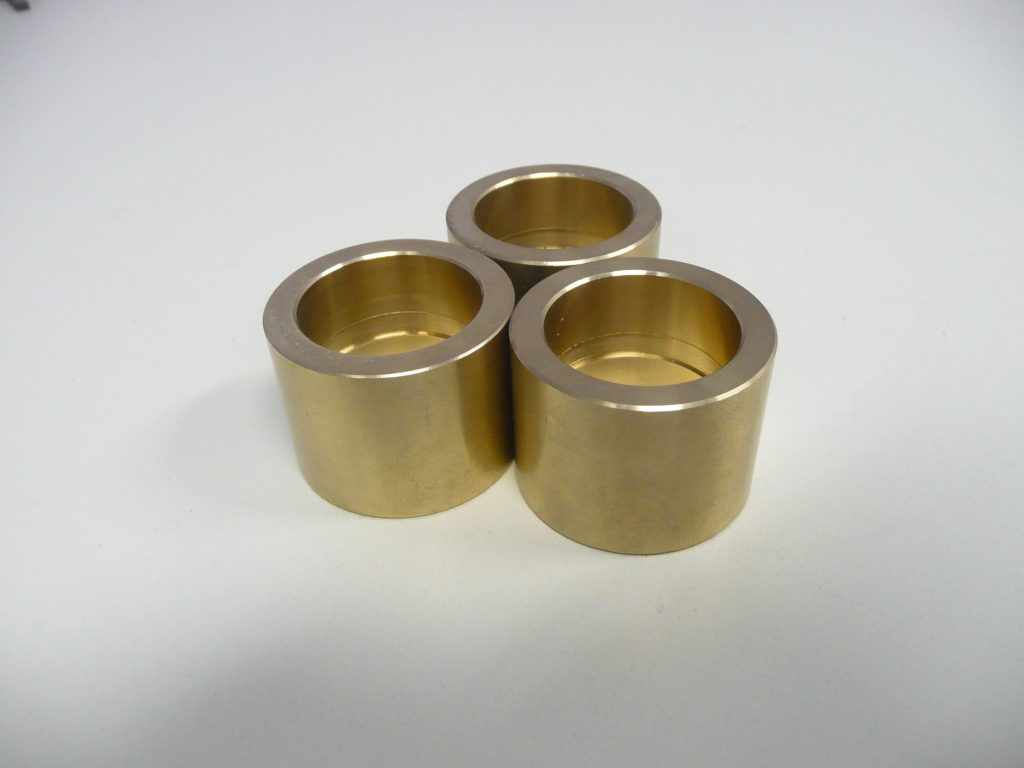
- friction parts: bushings, bearings, and bearing housings
- bearings, gears, and worm gears
- propellers, valves, and submerged components for the maritime industry
- components for the automotive and oil industries
Applications
- Automotive Industry
- Oil Industry
- Maritime Industry
Available Sizes
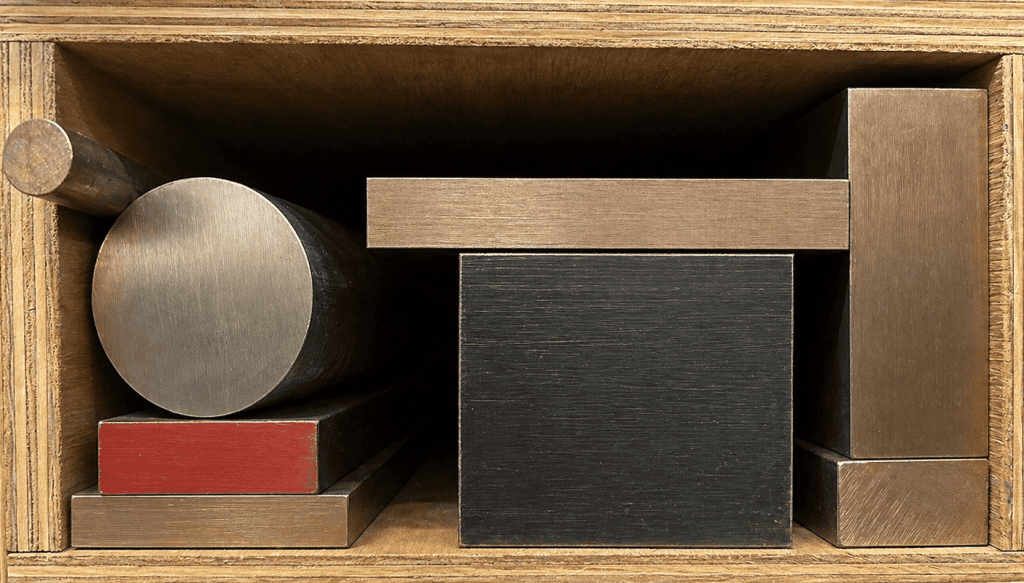
- Round bars
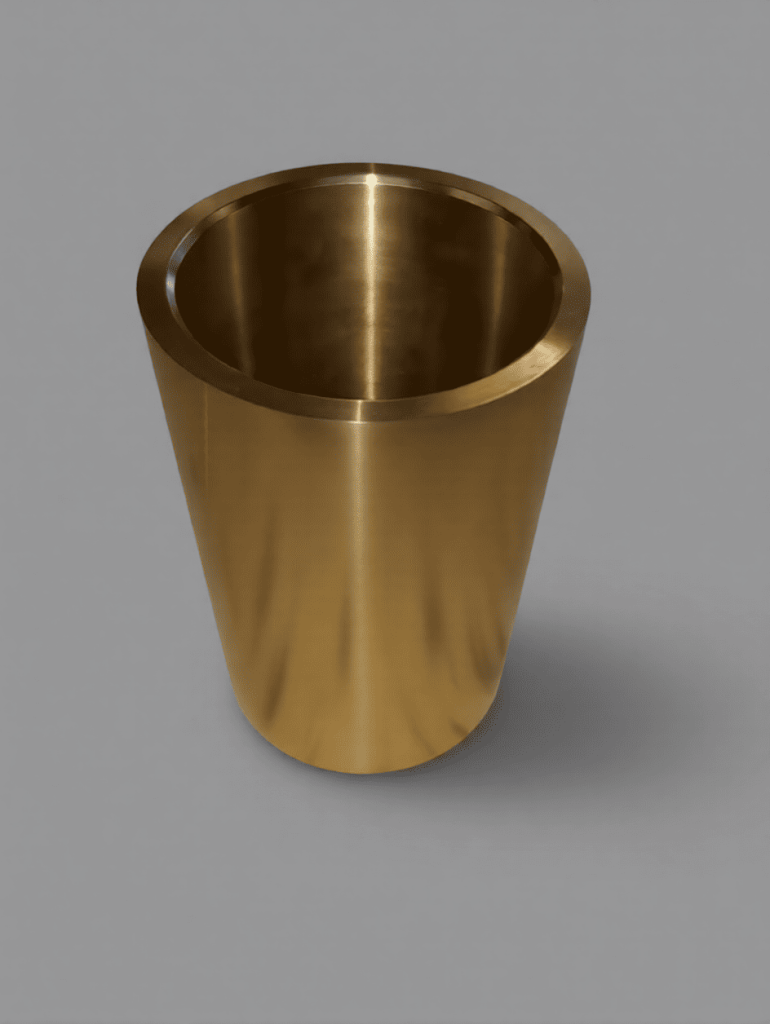
- Tubes
- Flat-bottomed
- Hexagonal bars
- Plates
- Strips
- Custom-made: blanks, blocks, discs, parts made to specifications
Gallery
Is your shade not listed?
Our teams can source specific grades or those that are hard to find on the market. Contact us with your designation or standard.