
Home > Our Materials >Molybdenum & Alloys > Molybdenum-Rhenium
Molybdenum & Alloys
Molybdenum Rhenium
Electrical Industry
Electronics
Chemical Industry
Military
Catalog
Available shades
Select a grade to view its complete technical data sheet: chemical composition, mechanical properties, and available shapes and dimensions.
The molybdenum-rhenium alloy is an alloy composed of molybdenum as the matrix, with varying concentrations of rhenium added. Both molybdenum and rhenium are refractory metals. By combining these two components, the molybdenum-rhenium alloy possesses both the high-temperature properties of molybdenum and the good machinability of rhenium.
Depending on the rhenium content, molybdenum-rhenium alloys can be divided into numerous grades, such as Mo-5%Re, Mo-14%Re, Mo-35%Re, Mo-41%Re, and Mo-47.58%Re, etc.
Different product grades have varying specific performance characteristics and applications. Under certain conditions, as the rhenium content increases, the plasticity, ductility, and high-temperature strength of the alloy products improve.
Molybdenum-rhenium is an alloy composed of molybdenum (Mo) and rhenium (Re), two metallic elements belonging to the transition metals family. This alloy has unique properties that make it valuable in various industrial and technological applications.
Composition and Structure
Molybdenum-rhenium alloys generally consist of varying proportions of molybdenum and rhenium, often mixed in specific percentages to meet the particular requirements of each application. For example, common compositions include 41% rhenium and 59% molybdenum. The combination of these two metals forms a strong and stable crystalline structure, offering superior performance compared to the pure metals.
The main characteristics of the Mo-Re alloy
Heat resistance
One of the major advantages of the molybdenum-rhenium alloy is its remarkable heat resistance. This characteristic makes it an ideal material for applications subjected to extreme temperatures, such as the high-temperature environments found in the aerospace industry and nuclear reactors.
Corrosion Resistance
The molybdenum-rhenium alloy is also highly corrosion-resistant, making it suitable for use in corrosive environments such as chemical and petrochemical applications.
Learn more
Thermal Conductivity
It has good thermal conductivity, which makes it useful in applications where efficient heat dissipation is required, such as in high-performance electronic devices.
Mechanical Strength
In addition to its heat and corrosion resistance, the molybdenum-rhenium alloy offers excellent mechanical strength, enabling it to withstand high loads and maintain its structural integrity under extreme conditions.
Industrial Applications
Aerospace Industry
The molybdenum-rhenium alloy is widely used in the manufacture of components for aircraft engines, rocket nozzles, and other aerospace applications because of its heat resistance and stability at high temperatures.
High-Temperature Applications
Containers and equipment for storing corrosive chemicals. It is used in applications where high heat and corrosion resistance are required, such as industrial furnaces, heat treatment equipment, and nuclear reactors.
Electronics
Due to its thermal conductivity and mechanical strength, the molybdenum-rhenium alloy is used in the manufacture of high-performance electronic devices, such as heat sinks and electronic components for the computer and telecommunications industries.
Conclusion
Applications
- Electrical Industry
- Electronics Industry
- Chemical Industry
- Defense Industry
Available Sizes
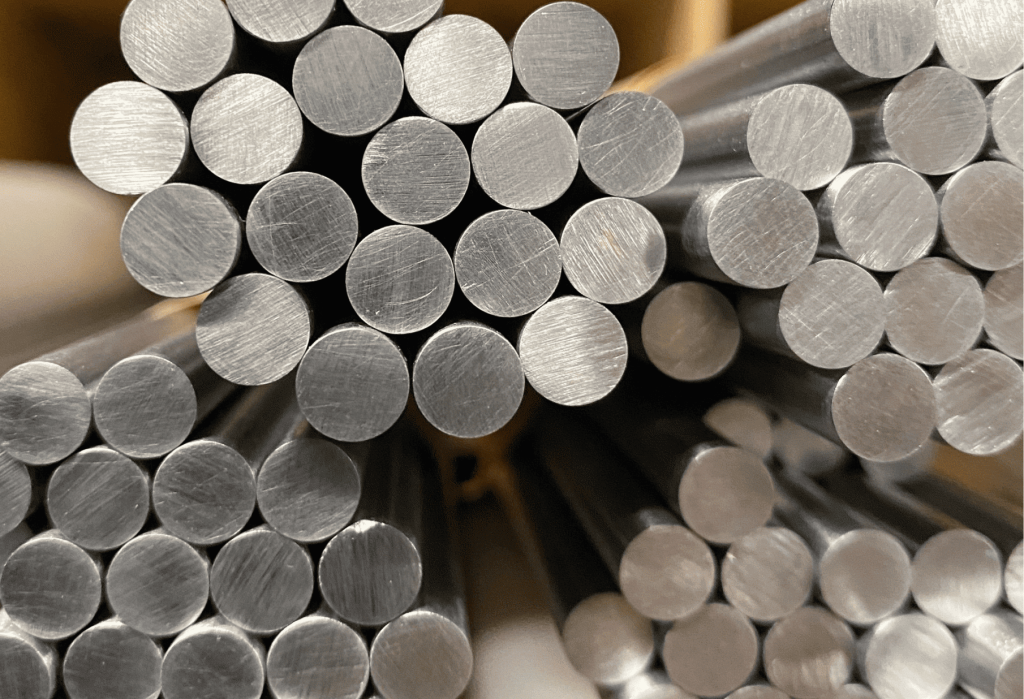
- Round bars
- Flat-bottomed
- Plates
- Son
- Strips
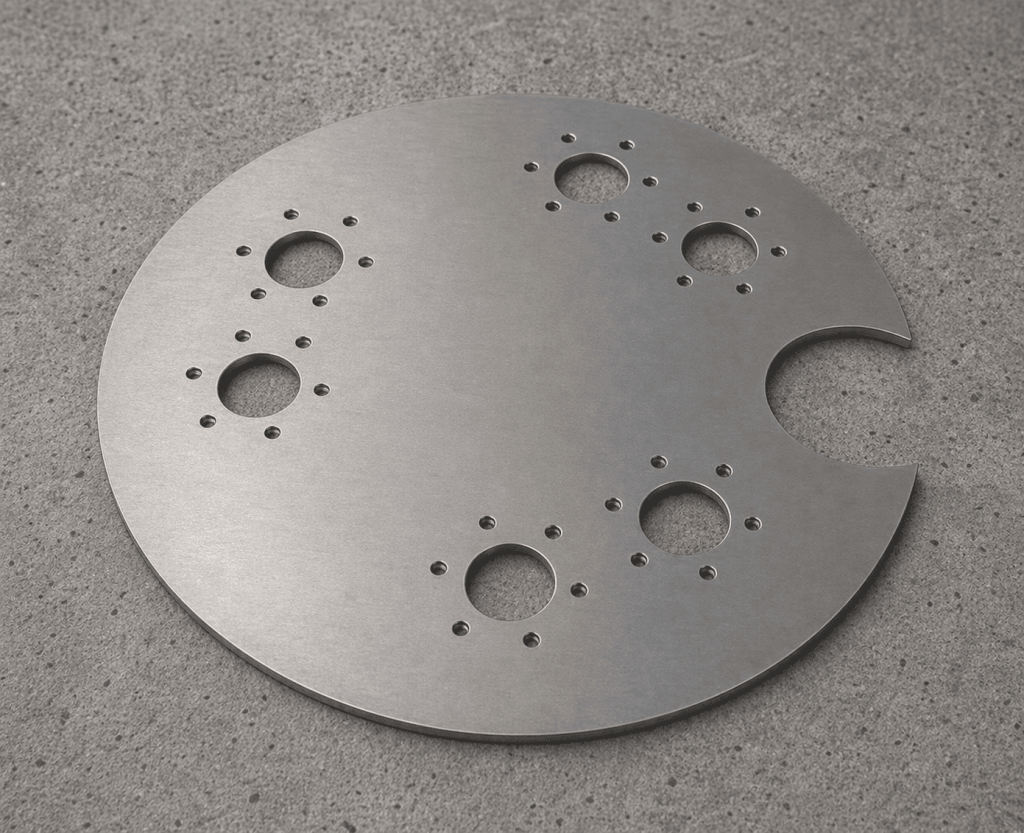
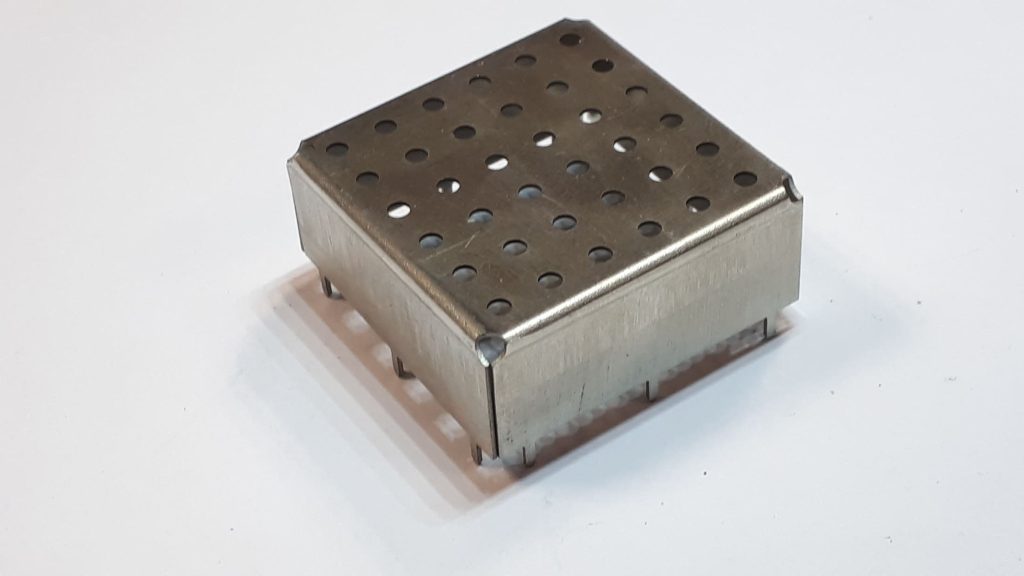
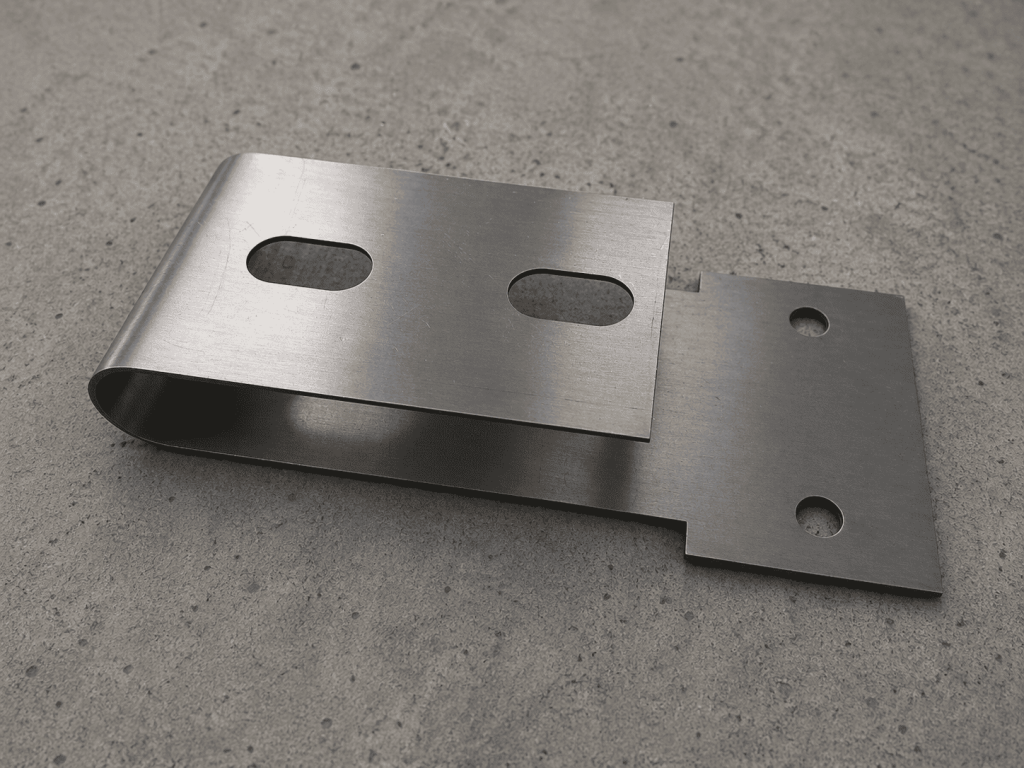
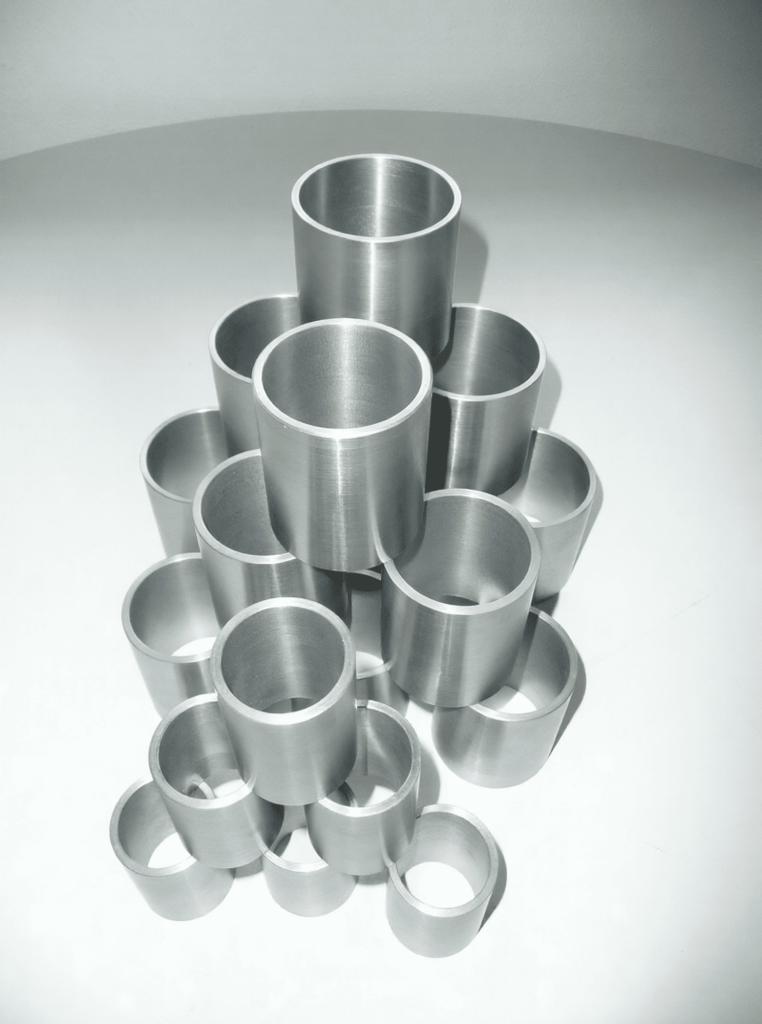
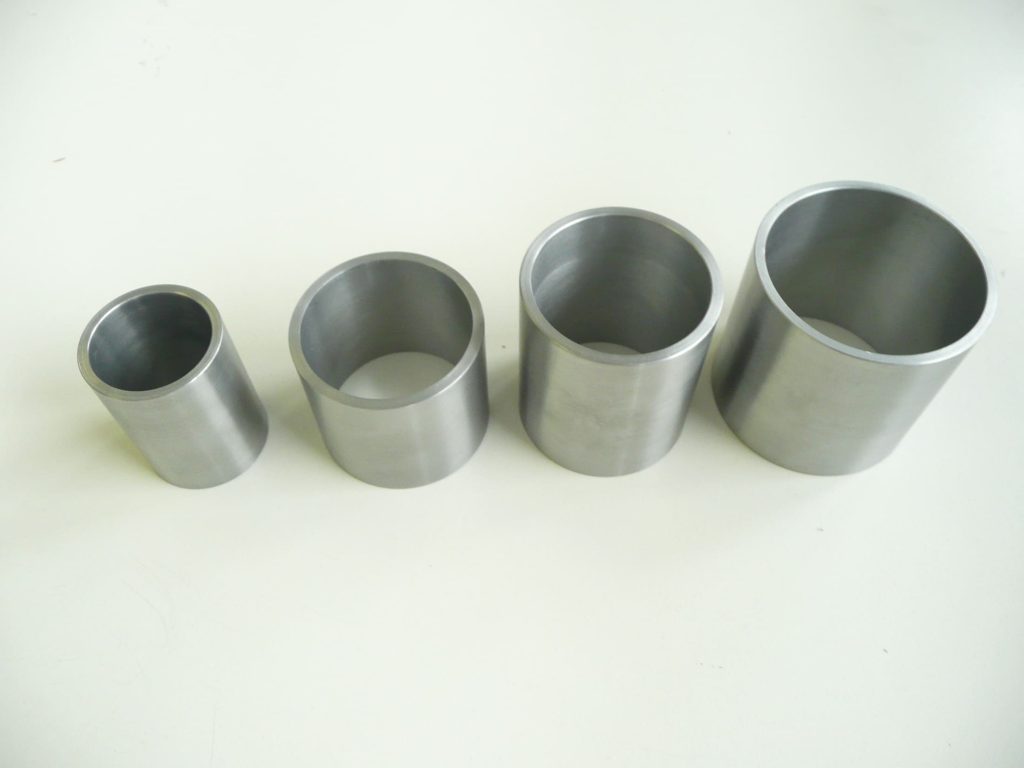
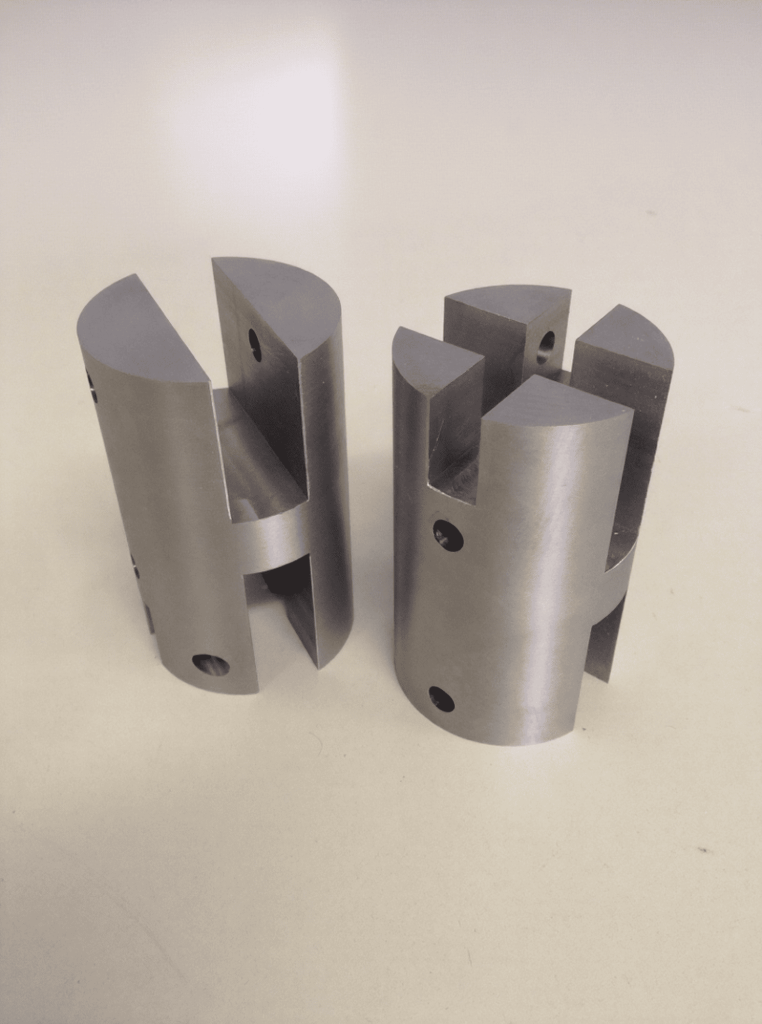
- Custom-made: forgings, blocks, and discs; parts made to specifications
Gallery

Is your shade not listed?
Our teams can source specific grades or those that are hard to find on the market. Contact us with your designation or standard.